


When to Replace Your Gas Tank: 6 Signs You Shouldn’t Ignore
Not sure if it’s time to replace your fuel tank? Many gas tanks show early signs of failure before a serious leak or fuel system issue occurs. This guide breaks down the top warning signs and what they mean for your vehicle’s safety and performance.
1. Visible Rust or Corrosion
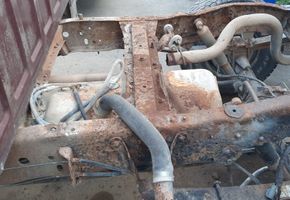
If you notice rust on the exterior of your gas tank — especially near seams or welds — it could signal structural weakening. Rust can eat through the tank wall and lead to leaks over time, particularly in steel tanks.
2. Strong Fuel Smell
A constant fuel odor around your vehicle may mean fumes are escaping. This can be due to small cracks, failed seals, or pinhole leaks in the tank. If you smell fuel even when the car is off, inspect the tank right away.
3. Fuel Leaks or Wet Spots
Fuel stains or puddles under the vehicle are obvious signs something’s wrong. Even slow leaks can reduce fuel economy and pose fire risks. It’s unsafe to delay repairs once liquid fuel is leaking.
4. Fuel Tank Denting or Damage
Impacts from road debris, off-roading, or an accident can dent or puncture the tank. Even if it seems minor, dents can interfere with sending units or lead to pressure issues.
5. Poor Fuel Gauge Readings
While not always a tank issue, inaccurate fuel readings may stem from a damaged sending unit or corroded mounting bracket inside the tank. Replacing the tank often solves this, especially if the unit can’t be serviced separately.
6. Failed Inspection or Emissions Test
If your vehicle failed due to fuel vapor leaks or tank condition, a replacement may be required. Modern emissions systems rely on sealed tanks to pass tests and protect the environment.
Need a Replacement Tank?
Gas Tank Depot offers direct-fit fuel tanks for most trucks and classic vehicles. Browse by vehicle or explore our most popular categories below:
Still not sure? Contact our team with your vehicle details — we’ll help you find a safe, high-quality replacement tank that fits right the first time.
